How to Store Fresh Meat at Home: A Simple Guide
Keeping fresh meat properly stored is essential for maintaining its quality, preventing foodborne illnesses, and reducing food waste. Whether you buy chicken, beef, or mutton from your local market, following a few simple storage practices can help keep your meat fresh and safe to eat.
1. Refrigerate Meat Immediately
If you plan to cook meat within the next few days, store it in the refrigerator at 4°C (40°F) or below. Place raw meat in a sealed, leak-proof container on the bottom shelf to prevent its juices from contaminating other foods.
Raw chicken and ground meat should generally be cooked within one to two days, while beef and mutton steaks or chops can usually stay refrigerated for three to five days.
2. Freeze Meat for Longer Storage
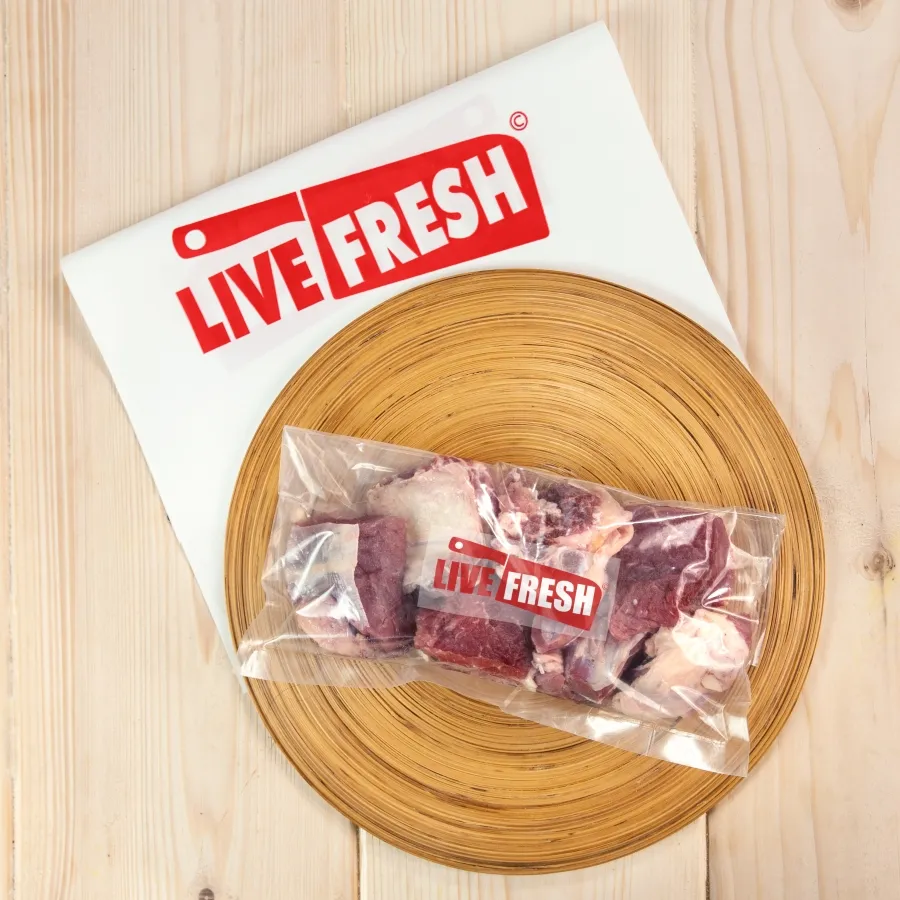
If you do not plan to use the meat soon, freezing is the best option. Divide it into meal-sized portions and store them in airtight, freezer-safe bags or containers. Remove excess air from freezer bags to help prevent freezer burn.
Keep your freezer at -18°C (0°F) or below, and label each package with the type of meat and freezing date. Chicken pieces can maintain good quality for up to nine months, while ground meat is best used within three to four months.
3. Thaw Meat Safely Before Cooking
The safest way to thaw frozen meat is to transfer it to the refrigerator and let it defrost gradually. If you need a quicker option, place the meat in a leak-proof bag and submerge it in cold water, changing the water every 30 minutes. Cook it immediately after thawing.
Avoid thawing meat on the kitchen counter, especially in warm weather, as room-temperature conditions encourage bacterial growth.
4. Keep Raw Meat Separate from Other Foods
Always store raw meat separately from cooked food, fruits, and vegetables. Use sealed containers to prevent leaks, and clean cutting boards, knives, and countertops after handling raw meat.
Washing raw chicken or meat is unnecessary and can spread bacteria through water splashes. Instead, handle it carefully and cook it thoroughly.
5. Take Extra Care in Hot Weather
In warm climates, meat can become unsafe if left outside refrigeration for too long. Refrigerate or freeze it as soon as possible after bringing it home from the market.
Avoid leaving raw meat at room temperature for more than two hours, or more than one hour when temperatures exceed 32°C (90°F). If you experience a power outage, keep the refrigerator and freezer doors closed to maintain the temperature for as long as possible.
6. Check Meat Before Cooking
Before preparing meat, check for unusual odors, a slimy texture, or other signs of spoilage. However, meat can contain harmful bacteria even when it looks and smells normal, so always follow recommended storage times and temperatures.
When in doubt about whether meat has been stored safely, it is better to discard it than risk foodborne illness.
Final Thoughts
Proper meat storage does not require complicated equipment or techniques. Keeping your refrigerator cold, freezing meat in suitable portions, using airtight packaging, and thawing it safely can help preserve freshness and reduce waste.
- By following these simple habits, you can keep your meat in better condition and make your kitchen safer for everyone.